
Kitchen & tableware finds from Japan that I’m glad I bought—practical, well-designed, and unique.
I’m so happy with these kitchenware and dining-ware that if anything happens to them I’d re-buy them. Everything on this list is Japan made, except for the automatic cooker and maybe the cup.
Earthenware Rice Pot (Hario)
Rice tastes so much better when cooked in a earthenware pot, but usually it’s difficult to supervise the heat (high first, then low later) and get the timing right. Hario makes it easier by allowing the rice to cook at a consistent heat and it (faintly) whistles at you to tell you when you can turn the stove off to let it rest for 10 minutes.
There’s also an induction stove friendly version, but the earthenware version cooks the rice much better. Both can be used to cook other things like a hot pot too.

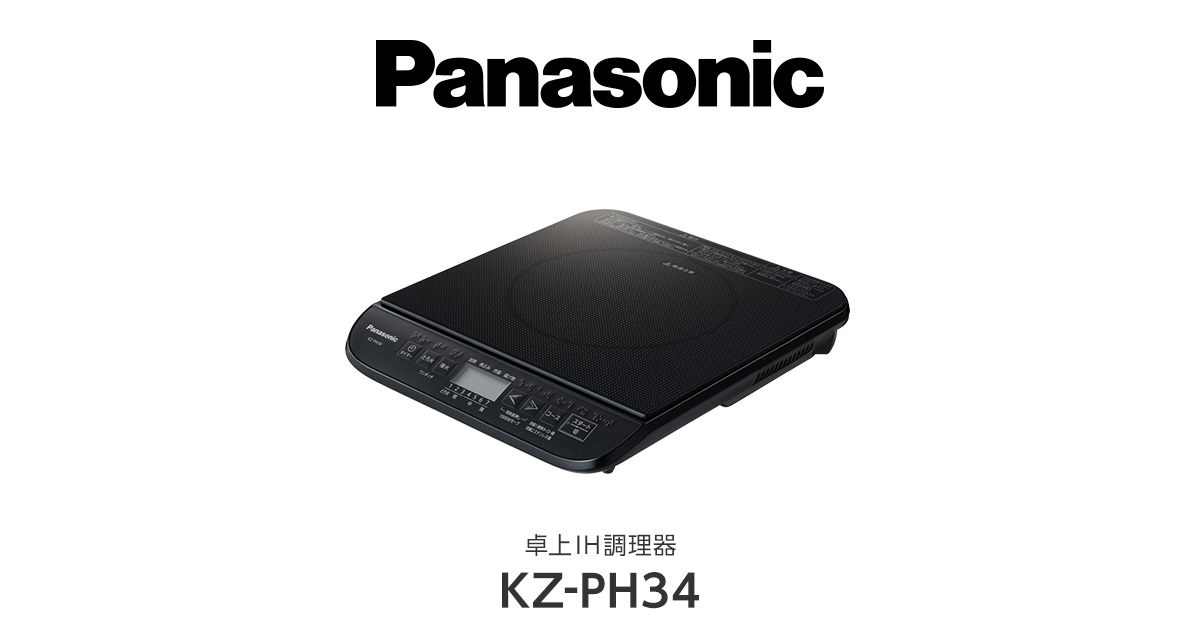
Enameled Cast Iron Pot (Vermicular)
My life changed after purchasing the Vermicular pot. Food tastes so good even when cooked with just salt and pepper if it’s cooked in a pot that keeps all the flavours in. Unlike other brands, the lid and the lip of the Vermicular pot is hand-carved for the right fit, so that it can cook food without water but let enough steam out to not become pressured. (Their oven mitts are also the best I’ve got.)
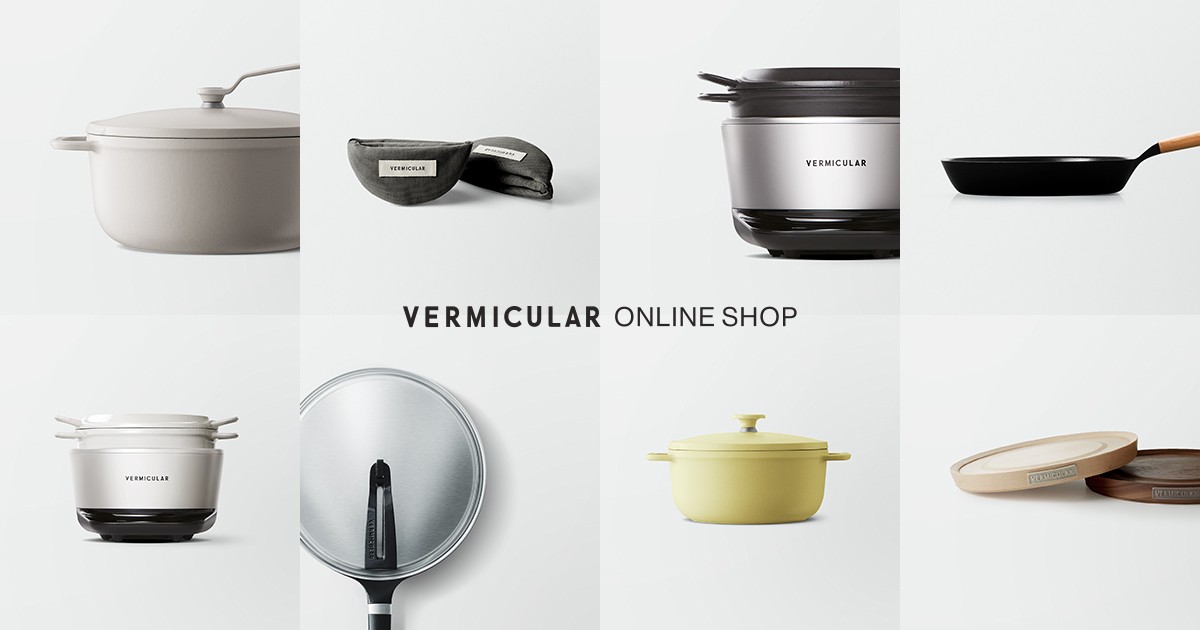
Tabletop Induction Stove (Panasonic)
It’s quiet. And it simmers.
While portable induction cookers sold in Australia are as loud as an exhaust fan and doesn’t know how to simmer (they turn on max, then off, then max, then off to achieve lower power), this Panasonic one is whisper quiet (25db when simmering and still quiet on full power), and it also simmers properly. (It does subtly power cycle, but not On/Off like the Aussie counterparts.)

Lid-less Teapot (Hario)
Leaves get stuck in most tea pots, but not this one. I was suspicious at first at their cleaning video, but yes, all you need to do is put the filter lid under running water and all the leaves get emptied immediately. As a bonus, you can put the lid on so that the spout is facing towards you for a more ergonomic, one-hand pouring. (I heard from a store-person that they stopped manufacturing the small 450ml one.)

Chopsticks (Tonkatsu Kei-tei)
Buying chopsticks from a tonkatsu restaurant? Sounds crazy, I know. But why would a tonkatsu place sell their chopsticks if customers didn’t keep asking for them? The hard wood chopsticks from Kei-tei is by far the best chopsticks I’ve used. After using them everyday for 8 years and showering them in the dishwasher, they were still going well, but I still bought another 10 pairs. (Their parent tonkatsu shop called Wakou also sells chopsticks, but I don’t rate their tonkatsu nor their chopsticks.)

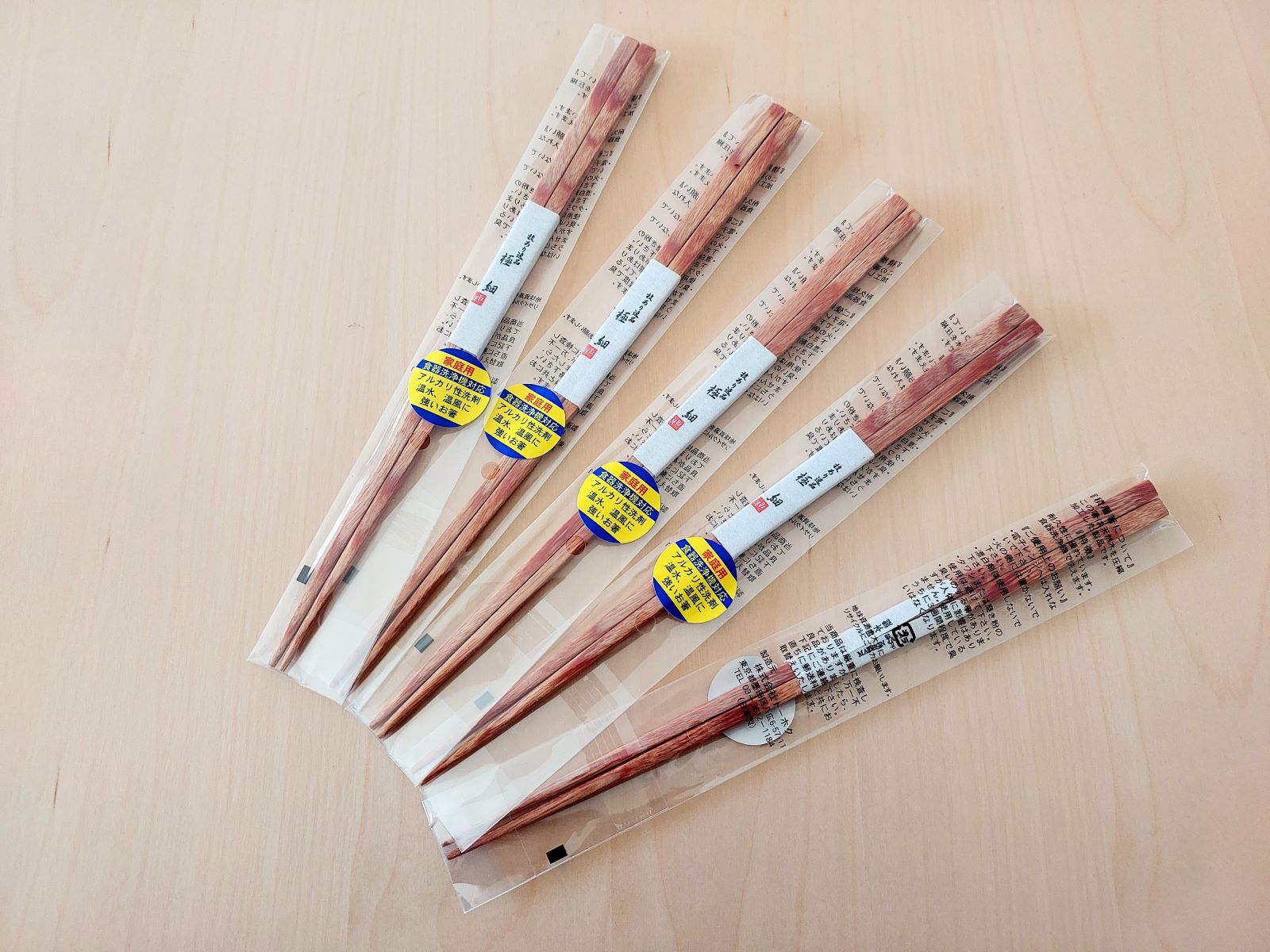
The maker, reading the packaging, appears to be To-hoku. And looking at their website, their chopsticks look handmade.
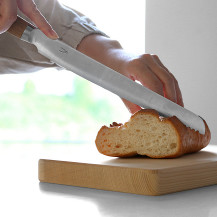
Bread knife (Tadafusa)
Leave no crumbs.
This “no-crumb” straight bread knife from Tadafusa slices bread like soft butter, without leaving much crumbs. There’s no need to zig saw it, but just slice towards or away from you. The resulting bread slice is cut so straight, the faces feel like a foam sponge.
Bread crumb forms only if you use the zigzap tip (which is there in case you need to get into hard, crusty bread), and even so, no crumbs are left outside of the chopping board. Less tidying up afterwards!
Forks (Azuma)
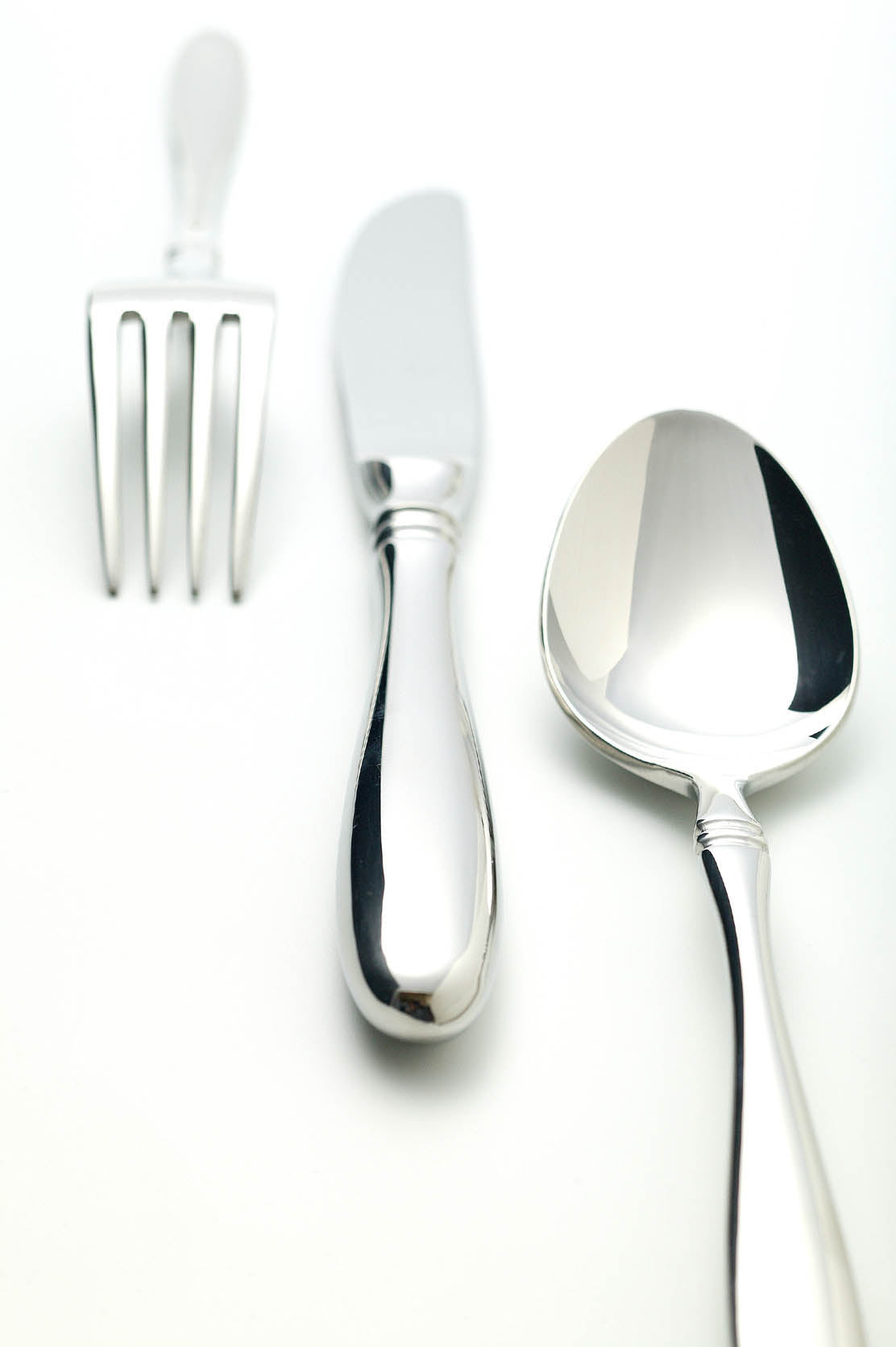
A few years ago, I was on the hunt for nice made-in-Japan forks. I finally found ones that I love the look and feel of at Azuma. From their “W18 Imperial” family of 18-18 stainless steel forks, I bought dinner forks and pasta forks. They feel good in the hand without being too heavy, and has are evenly balanced.
Spoons (Loire, Keyuca)
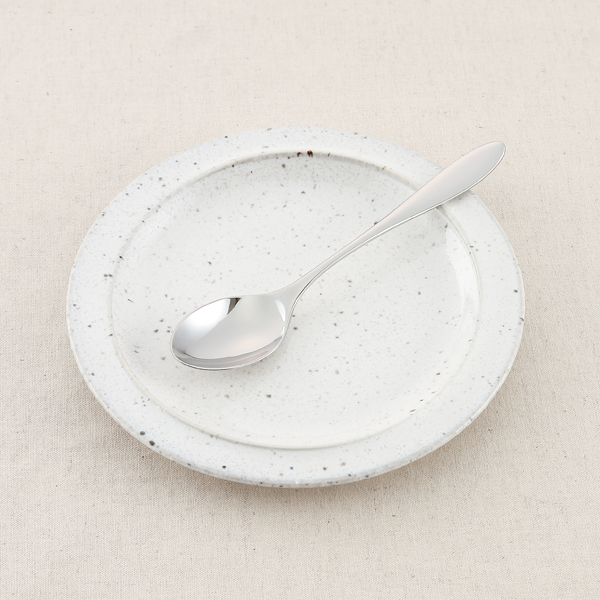
My last trip to Japan was partially to buy spoons that ‘bring me joy’. Salus’ quality “Loire” spoons feel solid and balanced in the hand and have a very practical shape. Keyuca’s “Bolero” spoons are a little lighter but still well balanced in the hand with a more conventional shape. They feel good because their handles are thick and smooth without them being too heavy on one side.


Tea towels (Nakagawa Masashichi)
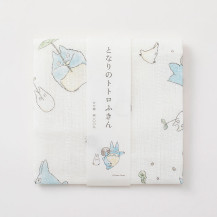
Kaya-fukins from Nakagawa Masashichi Shoten are traditional Japanese dishcloths made from durable, quick-drying cotton fabric originally used for mosquito nets. Winner of Good Design’s Long Life Design Award, they are stiff when you buy them but softens like butter once you rinse them. They have such cute designs like their collaborations with Totoro and Doraemon.
Cups (Kinto)
These are available world-wide, but I do love Kinto’s Kronos series of double-wall glass cups. The ‘ring’ shape makes them easy to grip and they appear to be more durable compared to other double-glass cups. The 250ml coffee cup has been my everyday cup for earl grey tea, and the 80ml espresso cups are great for sharing green tea. I’m keen for the 200ml tea cup for, well, more tea. 🤣

Automatic Cooker (Sharp)
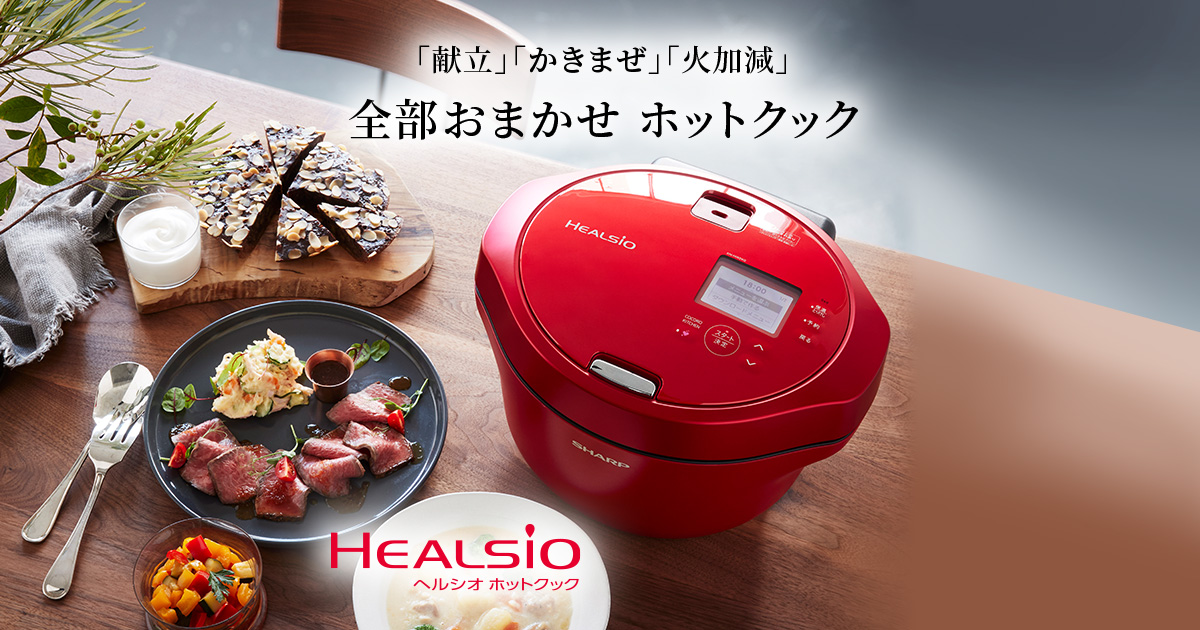
Sharp’s “HotCook” is a pun for “cook” and “hottoku” whch means to leave it alone. Unlike other cook-for-me style appliances, this one is actually a leave-it-alone cooker. You still need to chop the ingredients (or use a food processor and slicer like Magimix) prior to popping ingredients in, but it has a stirrer so you don’t need to do anything else. It’s not a pressure cooker though, so it won’t cook your food with speed; you can prep early and set it to finish cooking at a time of your choice though. I don’t usually pick black, but the matte-black colour I bought it in looks very chic.





Leave a Reply