
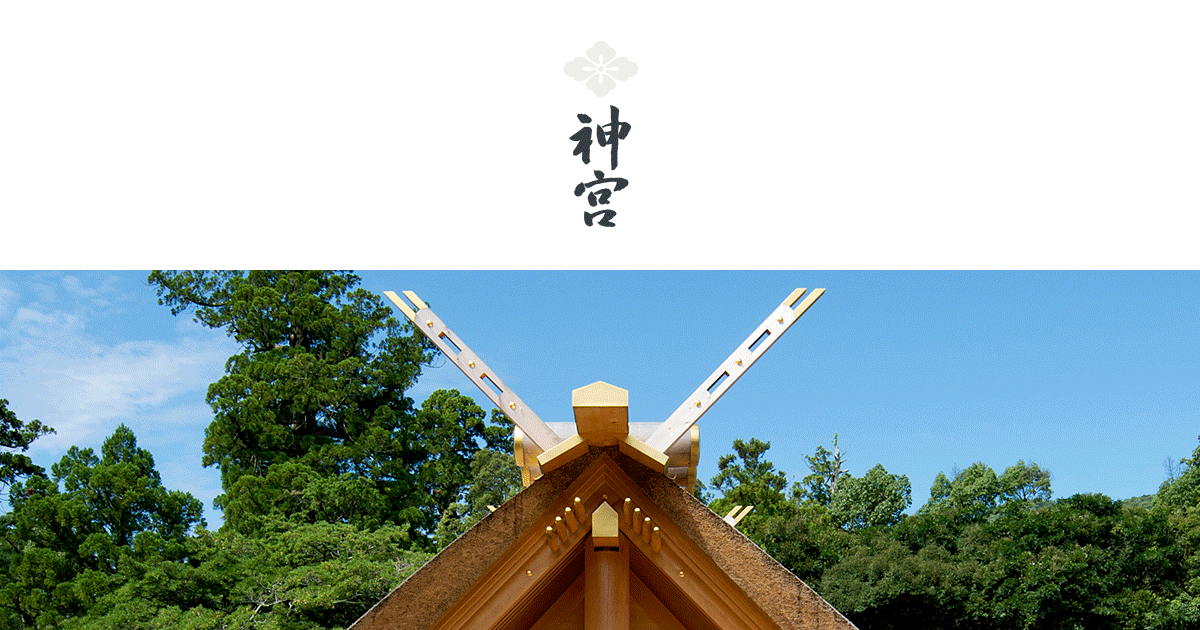
Ise Jingu (aka. Ise Grand Shrine) is the most sacred and important Shinto shrine located in Mie, Japan.
It’s affectionately called “O-Ise-san” and venerates Amaterasu-omikami, the ancestral deity of the imperial family, and Toyouke-no-omikami, deity of sustenance and industry, among others, across 125 shrines.
The Shrine
Some notable facts about Ise Jingu:
- It’s a big complex, and visitors catch a ~15min bus ride between the inner and outer shrines.
- You walk on the left side in the outer shrine, and on the right side in the inner shrine.
- The inner shrine is dedicated to Amaterasu-omikami, the sun goddess who made light in the world. She’s written to be the ancestor of Japan’s imperial family.
- The shrines are rebuilt every 20 years – This has been followed since the year 690!


The shrines get rebuilt vicennially.
There were restrictions on taking photos inside the Grand Shrine, so I only have limited photos from the path up to it.
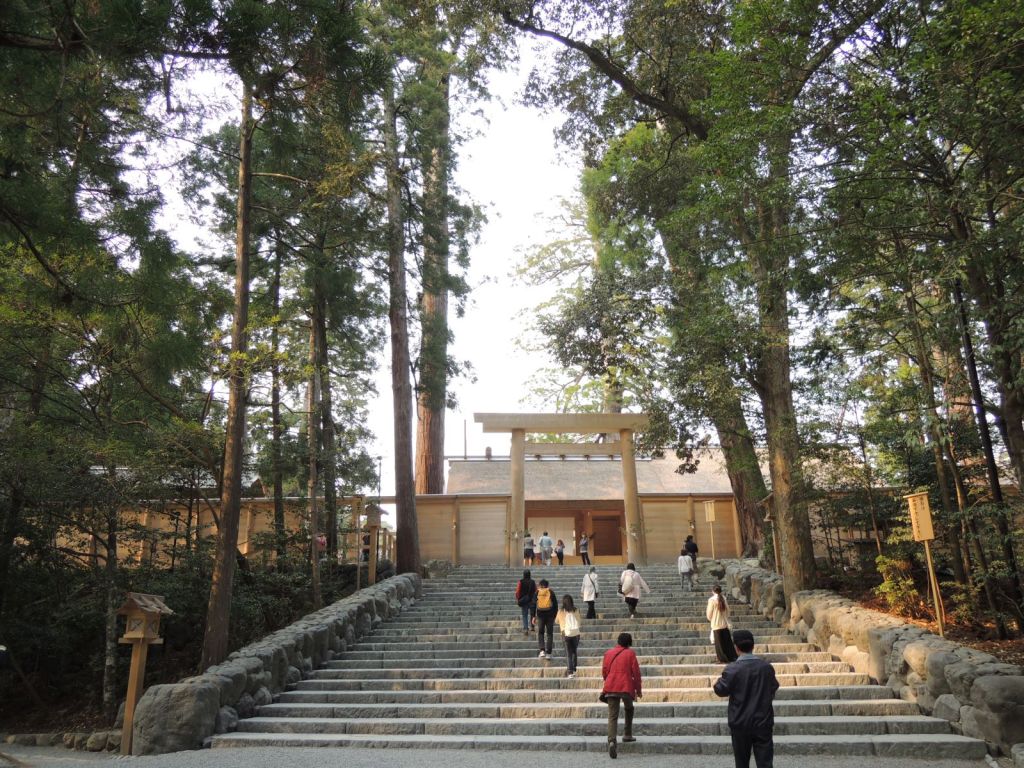
Because the shrines are rebuilt every 20 years (and it had just been rebuilt a few months before we visited), the structures looked very fresh, which was strange since I was expecting to feel long history. But it’s very impressive that they continue the reconstruction every 20 years still today.
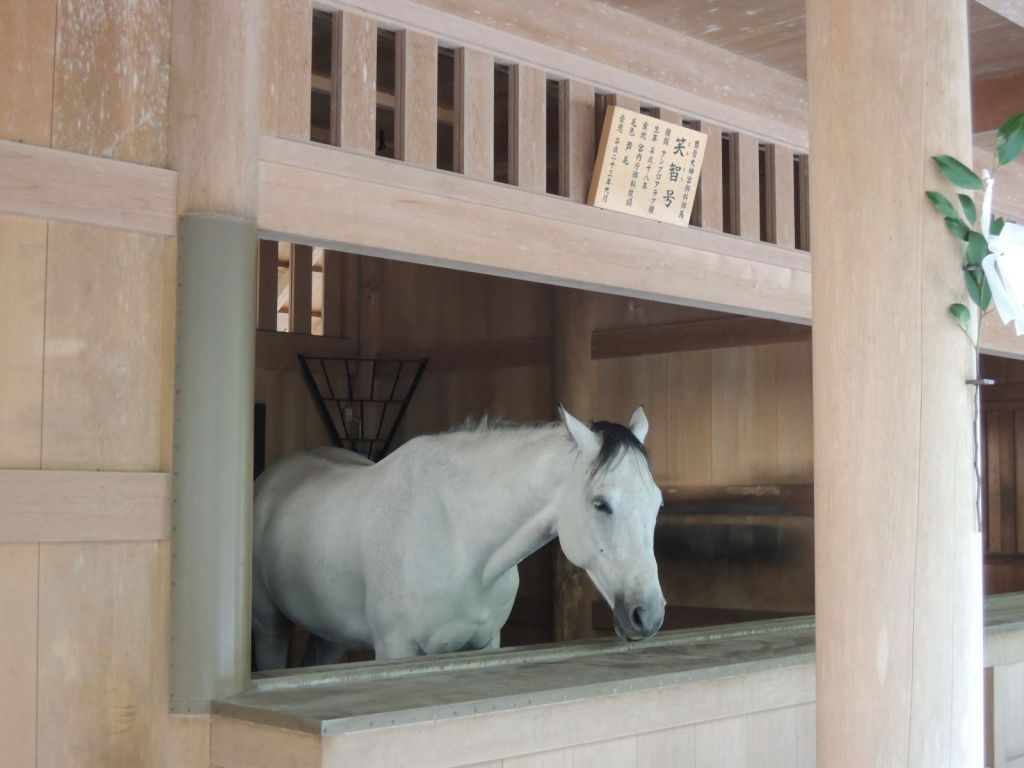
Excitingly, the Mi-Umaya had a real horse in it. Shin-me (神馬) is the god’s horse gifted by the emperor. I didn’t know this, but the horses are only there 3 days a month, so we were very lucky!
Chooks were also a memorable part of the Ise Jingu visit, as well as the tasty little dango.


Eating at Okage Yokocho
Okage Yokocho is a historic district located near the Outer Shrine (Geku) of Ise Jingu. It’s a street full of preserved buildings selling food and sourvneirs. It’s open every day from 9.30 until 17.30 (give or take 30mins depending on the season).
And bought best tasting green tea for amazing value.
The Matsuzaka beef on a stick was amazing (albeit expensive at 800yen, 500yen for a Hida beef skewer) back in 2014. I don’t remember which shop it was from; it might have been Nikodo? But I might try the Gyudon from Butasute next time.
The lady I bought tea from packed a mountain of tea leaves in a masu sake box, then sealed it in a plastic tea bag. It was only 1000yen ($10), and it tasted so good. (Turns out Ise has the third largest tea market share in Japan.)
Somehow I don’t have many photos from this day, but I suspect it was a from shop called Sui (翠) as they sing out all-you-can-fill Ise tea for ten dollars.
Okage Yokocho (おかげ横丁) is :
- 5min walk from the Inner Shrine (内宮); or
- 30min walk from Isuzugawa Station (五十鈴川駅); or
- 50min walk from the Outer Shrine or Iseshi Station (伊勢市駅).
Electric Tuk Tuk Rental
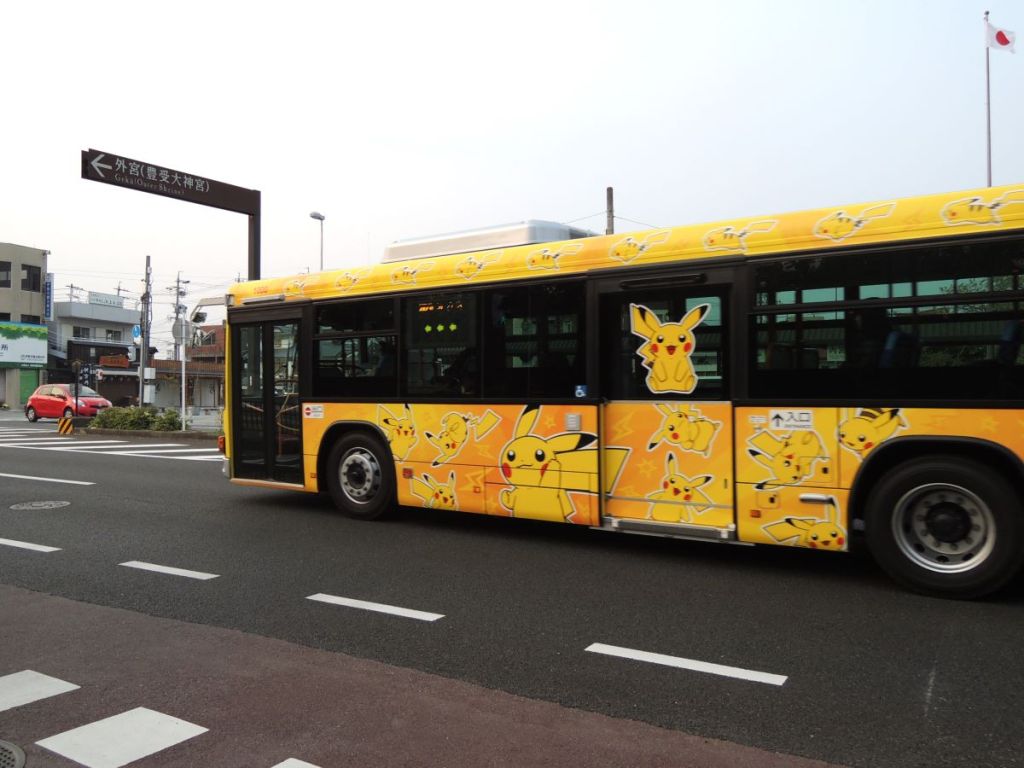
Ise was the first place I saw a bus powered by Pikachu (electricity) a few years ago. It was handy to get from one side of the shrine to the other. (Otherwise it’ll be 1 hour walk.)
Now Tavizo (Ise Puchutabi) offers EV rental -including an electric scooter and an electric tuktuk – so you can more around easily on your own.
There are three courses to choose from, either starting from the Outer Shrine or the Inner Shrine:
- Okage Yokocho course – 60min rental
Ise Shrine course (round trip or one way)Fields course – 90min rental- Beach & Fields course – 150min rental
I think a nice day trip would be to:
🚇 Train to Iseshi Station
~2h from Osaka Namba, Kyoto, or Nagoya StationIse-shi Station
🚶 Walk 5min
Outer Shrine (45min)
Opens 5am.
🚶 Walk 2 mins
Tavizo EV Rental (Outer Shrine)
Pick up an EV TukTuk from the Outer Shrine shop.
(All plans now seem to depart the Inner Shrine shop unless you give them a call to start from the Outer Shrine shop.)
🛺 TukTuk around for 1.5h
Pretty croissants at Coquelicot Rouge bakery along the way.
(Although their Kyoto shop ones didn’t taste that memorable.)Tavizo EV Rental (Inner Shrine)
Return EV to the Inner Shrine shop.
🚶 Walk 5min
Okage Yokocho (2h)
Eat & shop. Closes at 5.30 ±30m depending on season.
🚶 Walk 5 min
Ujibashi – Inner Shirne (1.5h)
Closes at 6pm ±1h depending on season.
🚌/🚶Bus 10 min (or walk 30 min)
Isuzugawa Station
Catch the train home.
The last direct train to Kyoto is at 16:02. But you can catch later trains towards Osaka Namba (last two 19:27 and 20:27) and change trains at Yamato-yagi Station to continue to Kyoto.
Getting there
Kintetsu line is best when going to Ise. JR pass is not as convenient in the Kansai region compared to Kanto (or Tokyo way).
From Osaka
There are a few morning train routes from Osaka to Ise. The simplest being the Ise Shima Liner that departs Osaka Namba Station at 10:10, arriving at Iseshi Station at 11:55, costing about 3700yen one way.
The last train back to Osaka Namba is 20:27, 4 hours later than the direct train back to Kyoto.
From Kyoto
There are 3 Kintetsu express trains running from Kyoto to Ise in the morning. They depart Kyoto at 8.10am (Vista Car), 9.10am (Ise Shima Liner), and 10am (Shimakaze) and arrives 2h and a bit later. On weekends, there’s an extra Vista Car at 7.10am.
The last direct train back to Kyoto is at 16:02. But you can catch later trains towards Osaka Namba (last train 20:27) and change trains at Yamato-yagi Station to continue to Kyoto.
Vista Car and Ise Shima Liner trains cost about 4000yen one way from Kyoto. Shimakaze costs about 5000yen. Because there is an express component, you need to buy the express ticket (which includes a reserved seat) before boarding. (Worst case, you can get on with a normal ticket, then pay for the express fee when the inspector comes around. Kansai region has confusing train ticket structure.)
There are discount tickets like the Kintetsu Weekend Free Pass (~4000yen but you need to purchase the express fee component separately) and the Ise Jingu Sanpai Ticket (~7000yen and includes exchange coupons for the express fee). But to get value out of them you’d need to extend or jam pack your trip – and unlike full priced tickets you need to buy these at least one day in advance of using them.
I’m keen to scoot around on an EV in Ise, and I need to find my tea and beef shops again. So Ise is a 🥇(=plan a trip around it) on #myrevisitlist.




Leave a Reply